I once told a partner that his friend and I were going to try and find a figure drawing session to attend together.
He laughed. “I can see it now: She turns her sketchbook around at the end of it to reveal a masterpiece, then you turn yours around to reveal stick figures.”
All I said in my defense was a meek, “Hey, I don’t draw stick figures.” Which, I don’t. For the abysmal state of my self-esteem at the time, I could at least say that much.
But then it was explained to me why I was not and could never be as good as her.
I hadn’t said anything to invite this comparison between my art and hers, nor would I have. She was a professional, while I’d just rediscovered a long-lost practice. All I know is that she herself had never been anything but encouraging of that practice, and I was excited to have a someone to talk art-stuff with.
My partner’s laughter reignited each time I tried to speak up for myself, but, if I’m honest, I was too frozen to come up with anything more to say anyway. Even the simple declaration that my feelings were hurt felt out of reach.
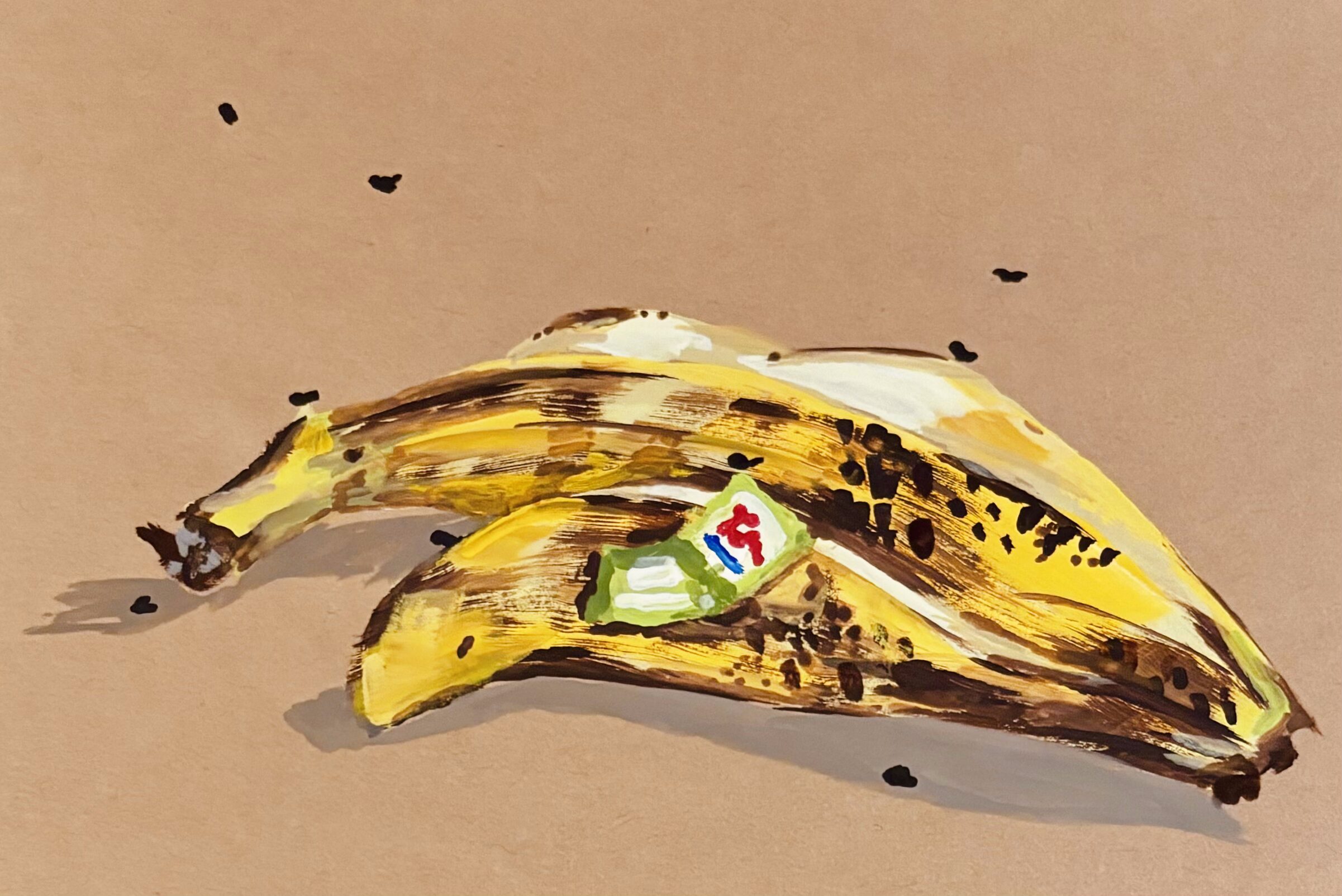
I struggle, in hindsight, with how much I let his joke — and his doubling down on it — get under my skin. I started drawing and painting more often and coming to him, like a child, with each new picture, my chest taut with the need to impress him. Instead of acknowledging to myself that the joke was mean and uncalled for, I drove myself to prove its inaccuracy.
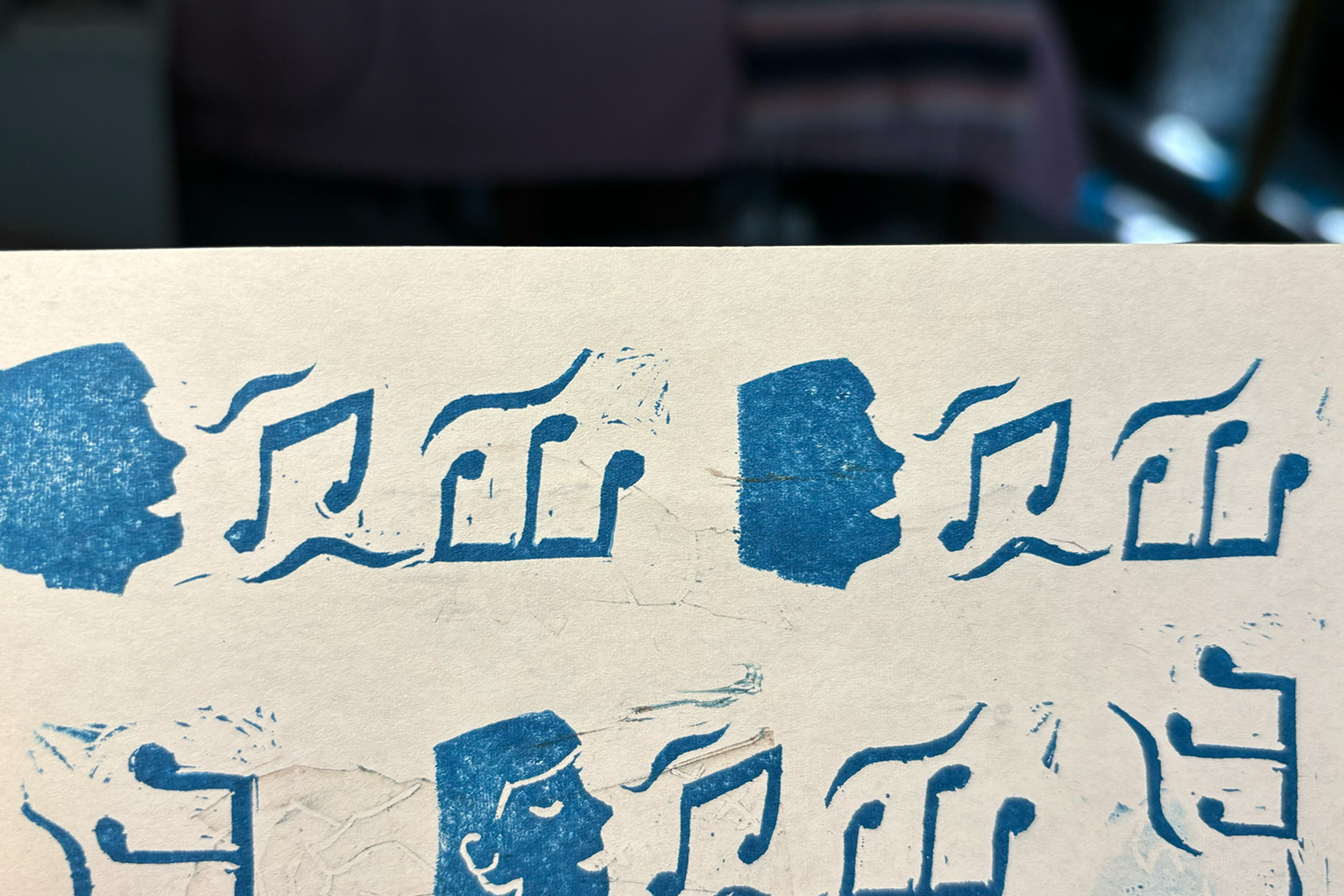
I recently learned that, decades ago, my dad had cracked a nasty joke about my mom’s voice when he found her singing joyfully to herself. She never sang again. I can attest to never having heard her singing voice beyond its buried presence in many verses of Happy Birthday, and it breaks my heart to know I could have had a mom who sang.
I abandoned myself by continuing to seek my partner’s validation, and I’ve had a tough time forgiving myself for that abandonment, but my mom’s story helped me reframe it a little…
My natural reaction could have been to shrink. I could’ve internalized the idea that my art practice was a joke. Inadequate. Embarrassing. But I didn’t. Some part of me, however buried, recognized the unfairness of it, squirmed, and then rebelled.
Yes, it was a reaction born of insecurity — of yearnings for validation planted in me long ago — but it was also an unrecognized expression of anger. A demand to be seen and an acknowledgment to myself that I was not feeling seen.
When this partner left with little warning, that rebel persisted. While one ancient part of me screamed about all the ways I wasn’t good enough, there was a lone counter-protester inside me too. The one who continued to draw and paint and to insist that the things I love are not an embarrassment. Not just my art but other things I cherish: sincerity, effort, repair, nuance, compassion, connection…
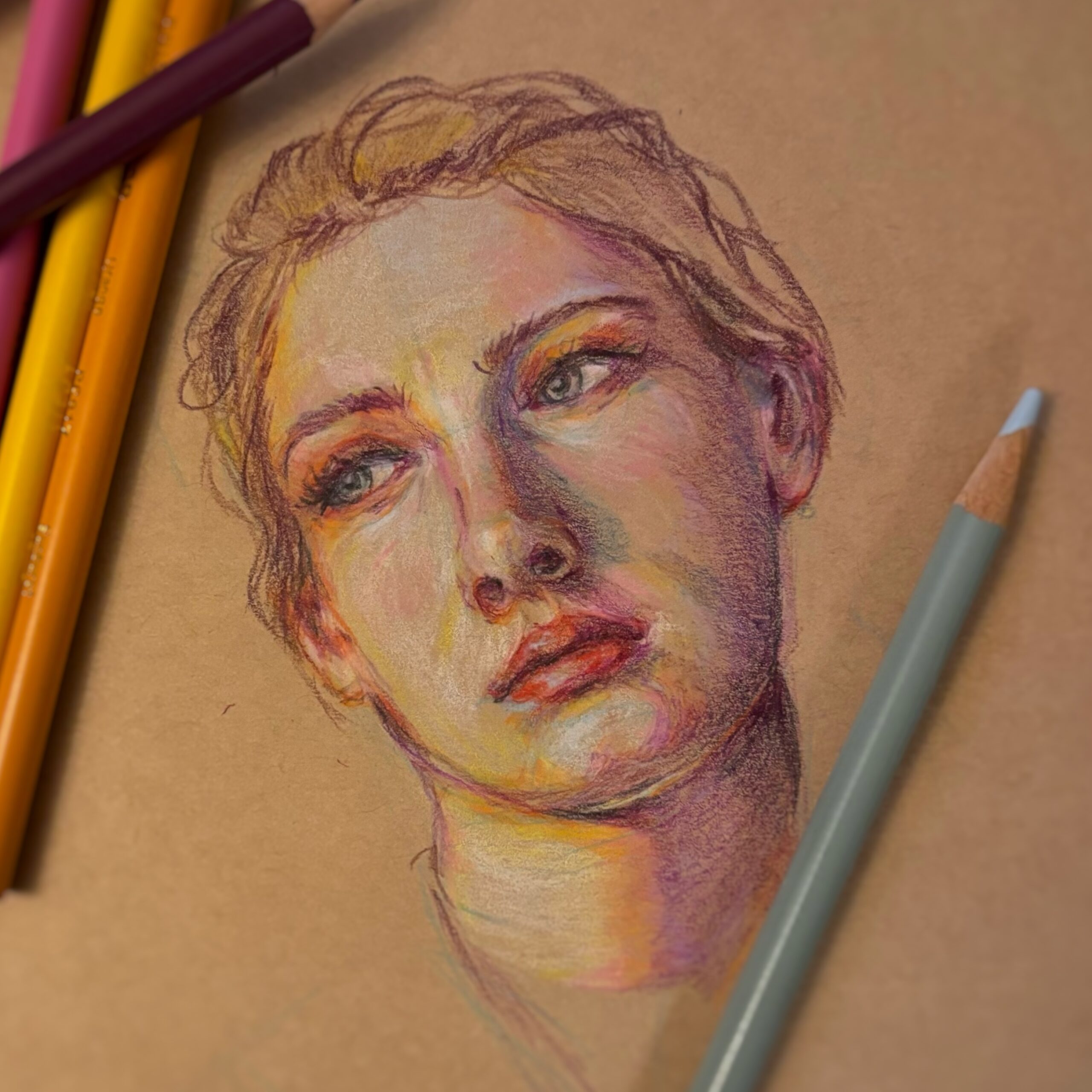
Not long after that breakup I completed my first sketchbook, cover-to-cover — a tangible document of improvement over time. I smile each time I flip through it. Sometimes I think I’ve been a terrible companion to myself, then I hold something like that in my hands and realize I’ve come a long way, not just in art but in everything.